Articles & Insights
At SimFlow, we are at the forefront of applying conversational AI across a broad range of educational settings, with our expertise rooted in healthcare.
Our articles and thought-leadership pieces offer practical guidance on integrating conversational AI into teaching and curricula, accessible summaries of our academic publications and growing evidence base, and insights into the technology and latest features we are developing.

AI-powered conversational simulation is transforming healthcare education. Discover seven proven teaching approaches used by universities and NHS organisations to deliver scalable, flexible and experiential learning.
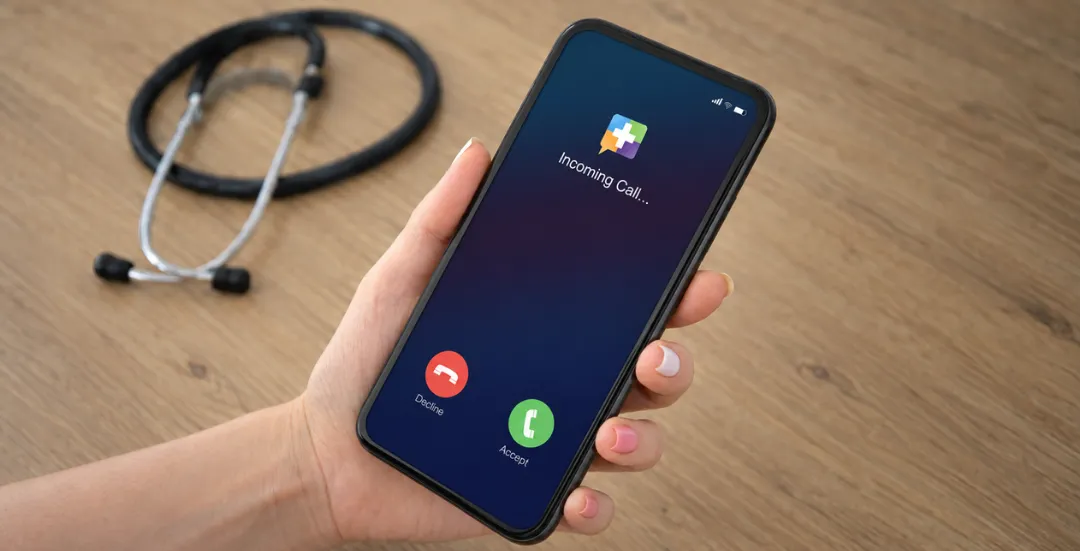
SimCall brings simulation beyond the screen and onto the phone, reflecting how real conversations happen across healthcare, education, and the private sector. By matching training to real-world communication, it helps make simulation more accessible, flexible, and ultimately more realistic.

SimFlow’s Clinical Documentation Feedback feature helps healthcare learners practise consultation documentation after AI simulated patient conversations, with feedback on accuracy, omissions, safety-critical information and documentation quality.

Communication skills training in healthcare has a scaling problem. Actor-based simulation works, but it’s expensive and hard to timetable. That’s why JMIR Formative Research evaluated SimFlow at scale at the University of Bristol Medical School across 70+ GP teaching practices.

Education for Primary Care has published an academic evaluation of SimFlow—and the findings are encouraging for GP educators and trainees. The study shows how conversational AI can support SCA preparation by easing actor shortages, reducing scheduling hassles and costs, and enabling trainees to practise more, earlier, and better.
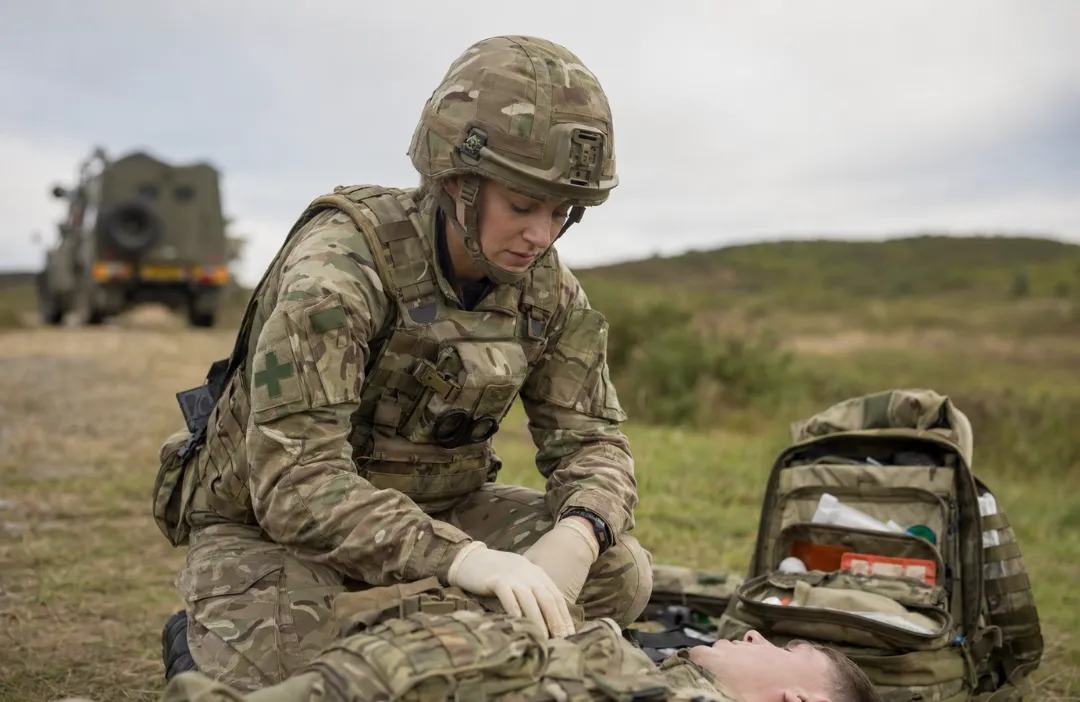
A peer-reviewed study has evaluated SimFlow with British Army Combat Medical Technicians. Five military-specific AI patients supported realistic consultation practice, with significant increases in confidence across 10 of 12 assessed clinical domains.